
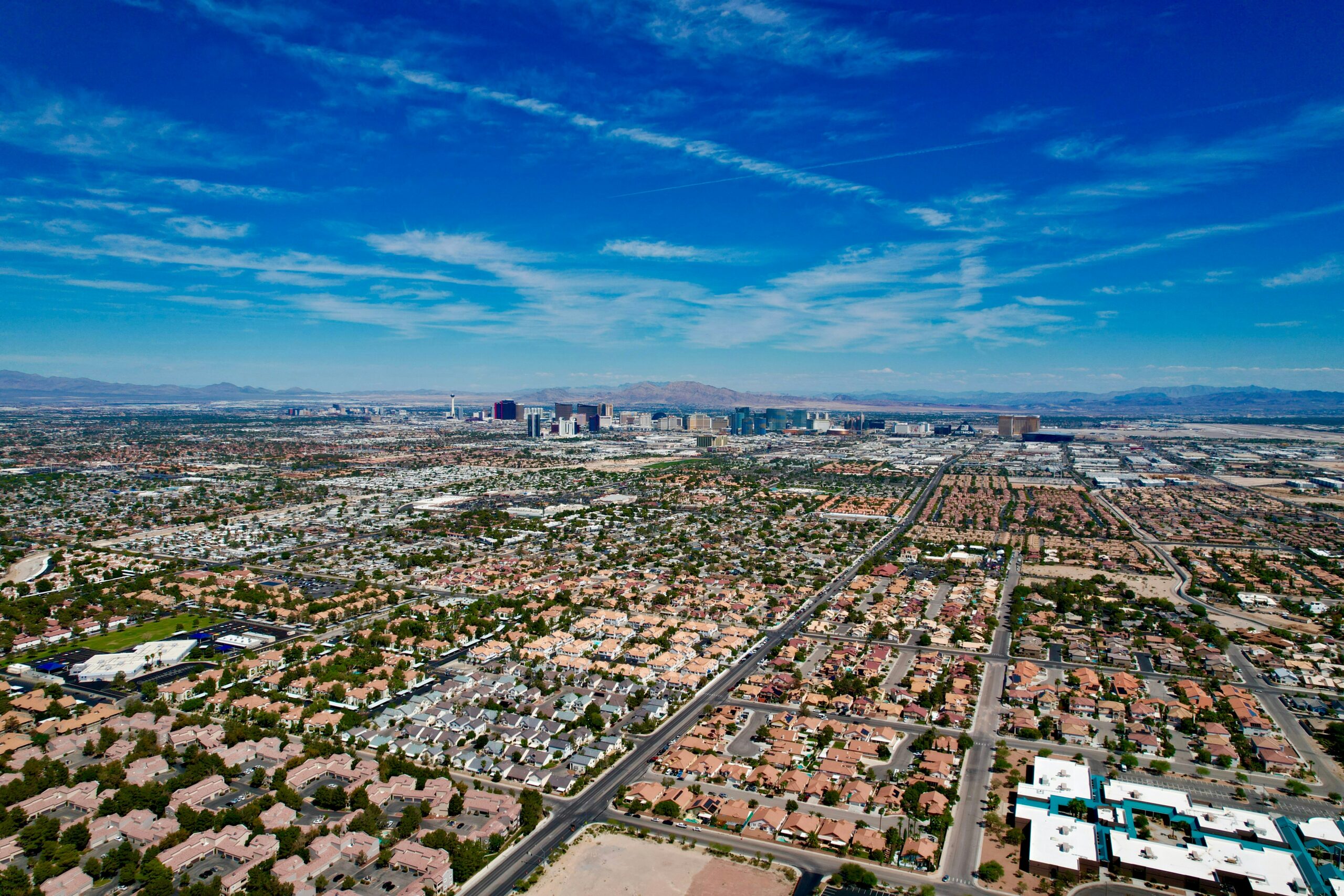
Las Vegas is not one city. It’s a collection of very distinct communities, each with its own personality, price range, HOA landscape, and vibe. The mistake first-time buyers make is falling in love with a house without understanding the neighborhood — and then being surprised by what they didn’t know.
This chapter is my honest, boots-on-the-ground take on the major submarkets across the valley. I’ve worked in all of them. Here’s what I actually think.
Summerlin — Polished, Master-Planned, and Pricier
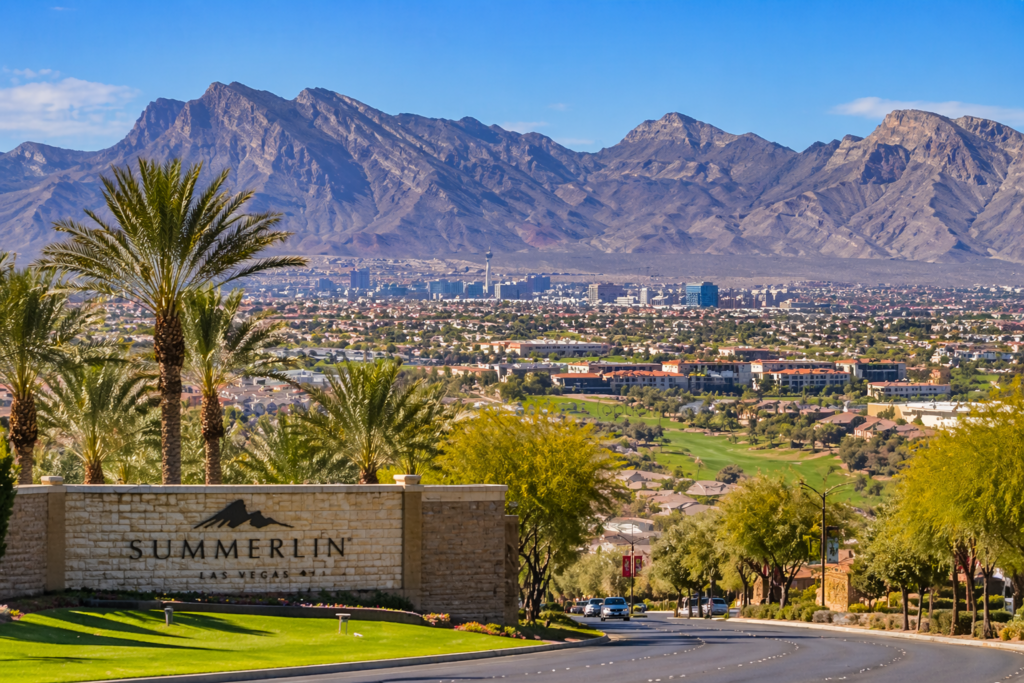
Summerlin is probably what people picture when they think “nice Las Vegas suburb.” It’s a massive master-planned community on the west side, developed by the Howard Hughes Corporation, and it shows — the landscaping, the parks, the Red Rock Canyon views, the community events. It’s genuinely beautiful.
For first-time buyers, here’s the honest reality: Summerlin is expensive. Entry-level homes start around $350,000–$400,000, and that range gets you a modest condo or townhome. Single-family homes in decent condition start closer to $450,000–$550,000+.
- Best for: Buyers with solid pre-approvals ($400K+) who prioritize community feel and amenities
- Watch out for: HOA fees are real here — budget $100–$400/month depending on the community
- Pro: Proximity to Red Rock Canyon, top-rated schools, and the Las Vegas Ballpark
Henderson / Green Valley — The Sweet Spot
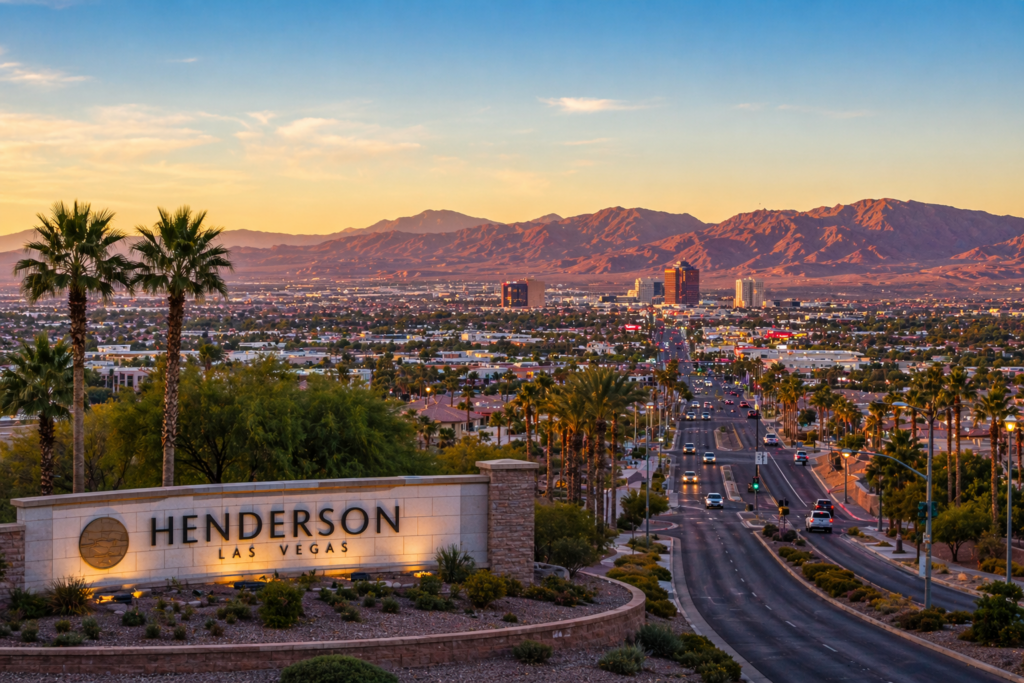
Henderson is consistently ranked as one of the safest cities in Nevada and one of the best places to live in the Southwest. It’s a city in its own right, not just a suburb — with its own downtown, its own parks system, and a strong sense of community identity.
For first-time buyers, Henderson is often the sweet spot. You can find single-family homes in the $300,000–$400,000 range, especially in Green Valley and the areas around Anthem. New construction is active in areas like Cadence and Henderson proper.
- Best for: First-time buyers who want quality without Summerlin prices
- Watch out for: Commute time if you work on the north end of the valley or in downtown Las Vegas — Henderson is south
- Pro: The District at Green Valley Ranch, Lake Las Vegas, strong community identity
North Las Vegas — Best Value in the Valley
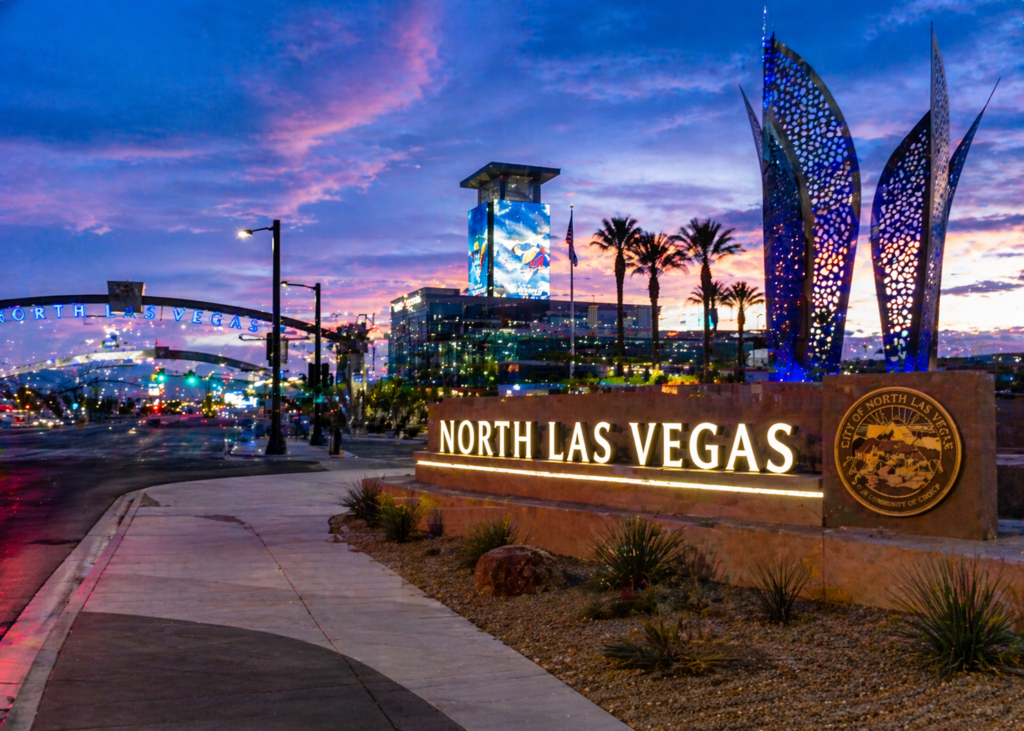
North Las Vegas gets underestimated. It’s the most affordable part of the metro area with the most active new construction, which means you can get a brand new home for prices that would get you a 1990s fixer in Henderson.
New development in areas like Apex, Lone Mountain, and the communities around Aliante has been strong. These aren’t luxury developments — they’re solid, practical homes for working families. And for first-time buyers who want to maximize their space and get into a new build, North Las Vegas is often where the numbers make the most sense.
- Best for: Buyers prioritizing square footage and value, especially with FHA or down payment assistance
- Watch out for: Some areas have longer commutes to the Strip/resort corridor and less established retail nearby
- Pro: Lowest price per square foot in the valley, most new construction inventory, strong long-term appreciation potential
Downtown Las Vegas / East Valley — Up-and-Coming
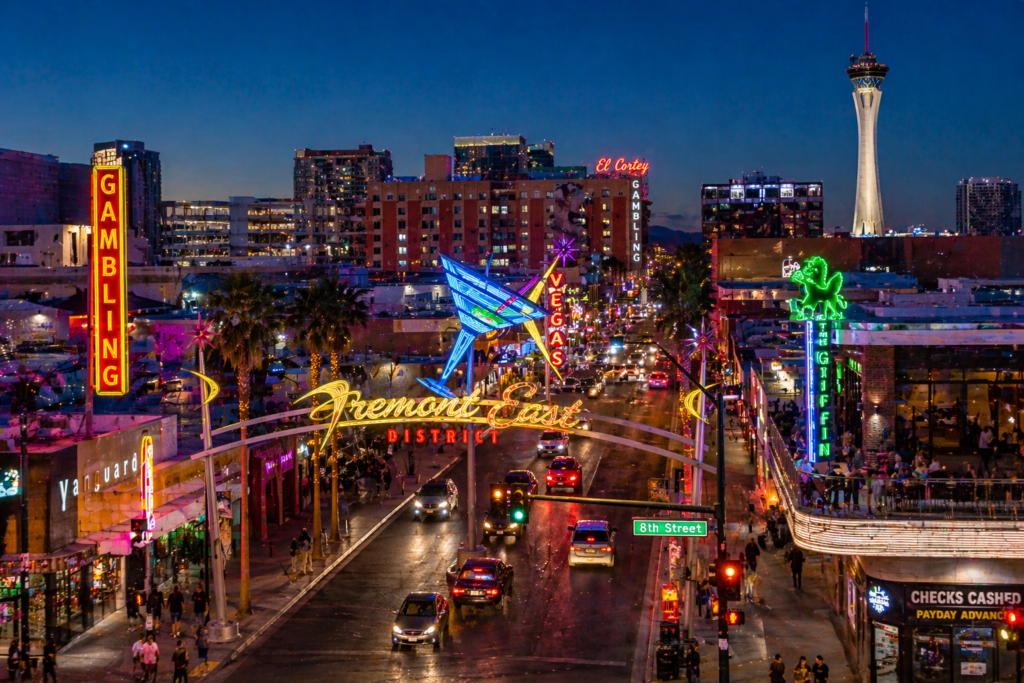
The area around downtown Las Vegas — the Arts District, the east side, Symphony Park — is genuinely interesting right now. There’s real investment happening, real development, real culture emerging. For buyers who want to be part of a neighborhood that’s changing, this is it.
Pricing is mixed — you can find condos and older homes in the $200,000s, but you need to be smart about what you’re buying and where exactly you’re buying it. This is an area where having a good agent matters more than anywhere else in the valley.
- Best for: Buyers with flexibility who want to get into an appreciating area early
- Watch out for: Research block by block — quality varies significantly
- Pro: Most walkable part of the valley, closest to the Strip, genuinely interesting neighborhood identity
New Construction vs. Resale — The Las Vegas Debate
Las Vegas has more active new construction than almost any other major metro in the country. This creates a real choice that most cities don’t offer.
Reasons to consider new construction:
- Everything is new — no surprises in the first few years of ownership
- Energy efficient by modern standards — electric bills are more predictable
- Builder incentives can be significant — rate buydowns, closing cost help, upgrades
- You can often customize finishes if you buy early in the build
Reasons to consider resale:
- Established neighborhoods with mature landscaping and a proven community
- More negotiating leverage — sellers of existing homes have more flexibility than builders
- Faster closing — you move in when you’re ready, not when the builder says so
- Potentially more space for the price in older communities
My take: If you’re using a down payment assistance program, check builder restrictions first — some builders don’t accept certain financing types. And always bring your own agent to a new construction purchase. The builder’s agent works for the builder, not you.
What to Look For on a Home Tour
First-time buyers often tour homes emotionally — they fall in love with the kitchen or the backyard and miss the things that matter. Here’s what I tell my buyers to pay attention to:
- Roof age: ask. Replacing a roof in Las Vegas runs $8,000–$20,000. If it’s 15+ years old, that’s a negotiating point.
- HVAC age: AC units in Las Vegas work harder than almost anywhere else. Replacement runs $5,000–$10,000. Units older than 10–12 years are on borrowed time.
- Water heater: these usually last 8–12 years. Check the date stamp.
- Signs of water damage: look at ceilings, under sinks, around windows. Water problems are expensive.
- HOA documents: ask for the CC&Rs, the financials, and the meeting minutes. A well-run HOA with healthy reserves is a good sign. An HOA with $50,000 in reserves and a $500,000 roof replacement coming is a red flag.
None of this replaces a professional home inspection — which we’ll cover in Chapter 5. But going in with open eyes helps you filter before we even get to that stage.