

This is the part of the process that scares first-time buyers the most. You’ve found a house you love, and now you have to put a number on it, sign documents you’ve never seen before, and trust that you’re not making a $350,000 mistake.
I’ve walked hundreds of buyers through this moment. Here’s everything I’d want you to know going in.
What Goes Into an Offer
An offer to purchase is more than just a price. Here’s what it actually includes:
- Purchase price: what you’re willing to pay
- Earnest money deposit: typically 1–2% of the purchase price, showing you’re serious. This goes toward your closing costs — it’s not extra money, but you need it liquid.
- Financing contingency: protects you if your loan falls through
- Inspection contingency: your right to inspect the property and negotiate or walk away based on findings
- Appraisal contingency: protects you if the home appraises below the purchase price
- Closing timeline: typically 30–45 days from accepted offer
- Possession date: when you actually get the keys (usually same day as closing)
In a competitive market, some buyers waive contingencies to strengthen their offer. I generally advise first-time buyers against this — those contingencies exist to protect you, and removing them means accepting real financial risk.
How to Write a Competitive Offer Without Overpaying
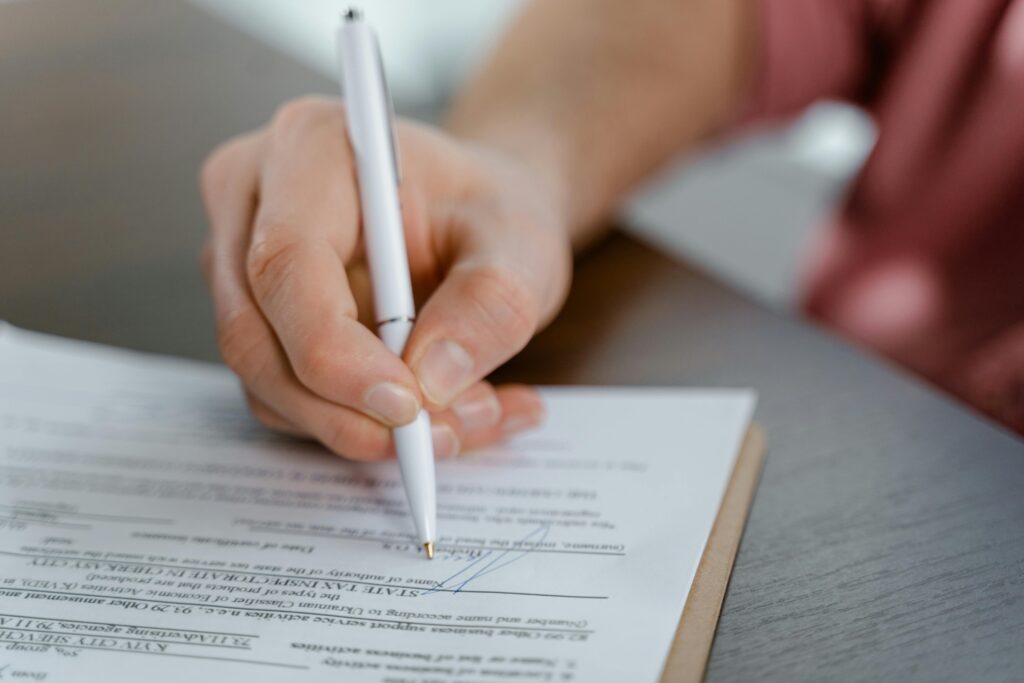
The goal isn’t to win the house at any cost. The goal is to win the house at a price that makes sense for you.
Know the comparable sales
Before we write any offer, I pull the recent comparable sales — homes similar in size, age, and condition that have sold in the same area in the last 90 days. This tells us what the market will actually support. If a seller is asking $380,000 and comps are at $355,000–$365,000, we know where we stand.
Understand the seller’s situation
Is the home occupied or vacant? How long has it been on the market? Have there been price reductions? Is this a traditional sale, a relocation, an estate sale? Each of these details informs our strategy. A seller who has already bought their next home and is carrying two mortgages has very different motivation than an owner who isn’t in a rush.
Write clean offers
In a competitive situation, fewer conditions and a shorter closing timeline can be as attractive to a seller as a higher price. If we can close in 21 days with a clean offer versus 45 days with a lot of conditions, some sellers will take the certainty over the extra $5,000.
Never waive the inspection contingency on a first-time purchase. I don’t care how competitive the market is. An uninspected home is a financial gamble no first-time buyer should take.
The Inspection — Your Most Important Protection

After your offer is accepted, you have a window (typically 10–14 days in Nevada) to conduct a home inspection. This is not optional.
A good home inspector — budget $350–$600 — will spend 2–4 hours going through every system in the house: roof, foundation, electrical, plumbing, HVAC, insulation, windows, appliances. You get a detailed report with photos.
Then what? You have several options:
- Accept the home as-is
- Request repairs from the seller (they can accept, decline, or counter)
- Request a price reduction in lieu of repairs
- Walk away entirely and get your earnest money back (within the contingency window)
First-time buyers sometimes freak out when they see a 40-page inspection report. Don’t. Every house has inspection findings. The question is whether the findings are normal maintenance items or actual deal-breakers. I’ll help you read the report and decide what’s worth negotiating and what’s noise.
The Appraisal — What Happens If It Comes in Low
After your offer is accepted, your lender will order an appraisal — an independent assessment of what the home is worth. The lender will only loan based on the appraised value, not the purchase price.
If the home appraises at or above the purchase price: great, move forward.
If the appraisal comes in below the purchase price, this is called an appraisal gap, and it creates a decision:
- Renegotiate the purchase price down to the appraised value (seller may agree, especially if they want to close)
- Pay the difference out of pocket — the gap between the appraised value and the purchase price
- Walk away using your appraisal contingency (if you included one)
In fast-moving markets, appraisal gaps are not uncommon. Having an appraisal contingency gives you protection. This is another reason I encourage first-time buyers to keep their contingencies in place.
Counter Offers and Negotiation
Most offers don’t get accepted on the first try. Counter offers are normal and they’re not a bad sign — they mean the seller is engaged and wants to make a deal.
My job is to keep negotiations moving, keep emotions out of it, and keep your financial interests protected. I’ve seen buyers lose good houses by getting stubborn over $2,000. I’ve also seen buyers overpay because they were emotionally attached and afraid to hold their ground.
The truth is somewhere in between: be strategic, not emotional. Know your walk-away number before you start. And trust your agent to tell you when a deal is worth it and when it isn’t.
From Accepted Offer to Closing

Once your offer is accepted, here’s what the next 30–45 days look like:
- Days 1–3: Submit earnest money, open escrow, schedule inspection
- Days 3–14: Inspection period — review report, request repairs or credits
- Days 1–21: Lender processes your loan — they’ll need documents from you (respond fast)
- Days 21–30: Appraisal ordered and completed
- Days 30–45: Final loan approval, clear to close
- Closing day: Sign documents, funds transfer, get your keys
Closing day is one of my favorite days. There’s nothing like watching someone walk out of a title company with keys to their first home. It never gets old.