

There is no shortage of people telling you what the Las Vegas housing market is doing right now. Zillow has a forecast. Redfin has a report. Your cousin who bought a house in 2019 has an opinion.
What most of those sources don’t do is tell you what any of it actually means for a first-time buyer in the Las Vegas Valley who’s trying to figure out their next move. That’s what this post is for.
Where Prices Actually Stand Right Now
As of early 2026, the median sale price for a single-family home in Las Vegas is approximately $440,000–$450,000. That’s down from a peak of around $489,000 in late 2024 — about an 8% pullback from the high.
What does that mean in practical terms? On a $450,000 home with 5% down, you’re looking at a principal and interest payment of roughly $2,500–$2,700/month at current rates, plus property taxes, insurance, and HOA if applicable. Total all-in is typically $3,000–$3,500/month for a mid-range Las Vegas home.
For context: the average rent for a 3-bedroom home in Las Vegas in early 2026 is $1,900–$2,400/month. The gap has narrowed. Buying is more expensive month-to-month in the short term — but you’re building equity instead of paying someone else’s mortgage.
Inventory: More Choices Than Buyers Have Had in Years
This is the number that matters most for first-time buyers right now, and it’s genuinely good news. Active inventory in the Las Vegas Valley has increased significantly — over 9,600 homes available with no offers, up nearly 15% from a year ago.
What does more inventory mean for you practically?
- More homes to choose from — you’re not forced into a bidding war on the first thing you see
- Longer days on market — homes are sitting 60–86 days on average, giving you time to think
- Seller concessions are back — asking for closing cost help, repairs, or price reductions is reasonable again
- Less emotional pressure — you can make smart decisions instead of panic decisions
If you tried to buy during 2021-2022 and got beat out repeatedly, or if you heard horror stories from that era and stayed on the sidelines — the market you’d be entering today is fundamentally different.
The Submarket Breakdown
Las Vegas is not one market. Prices and conditions vary significantly by area:
Summerlin (West Side)
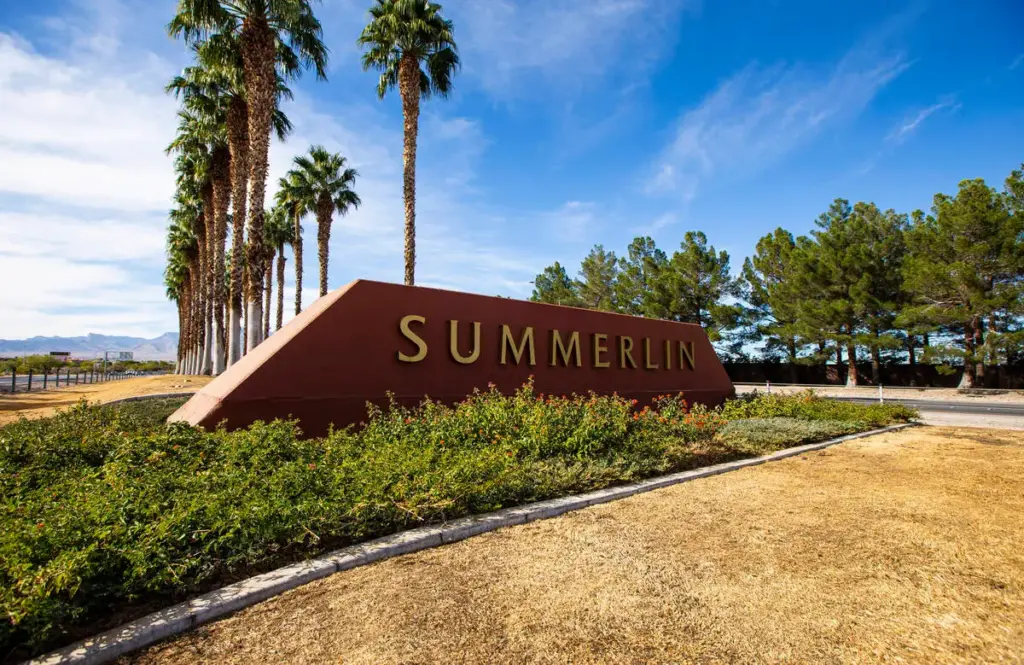
Median prices: $500,000–$600,000+. Still premium-priced but showing more flexibility than in recent years. New construction active in the newest villages. HOA fees are significant — budget $100–$400/month.
Henderson
Median list price around $530,000–$559,000 as of early 2026. The sweet spot for quality and value. New construction active in Cadence and other planned communities. Strong long-term appreciation history.
North Las Vegas
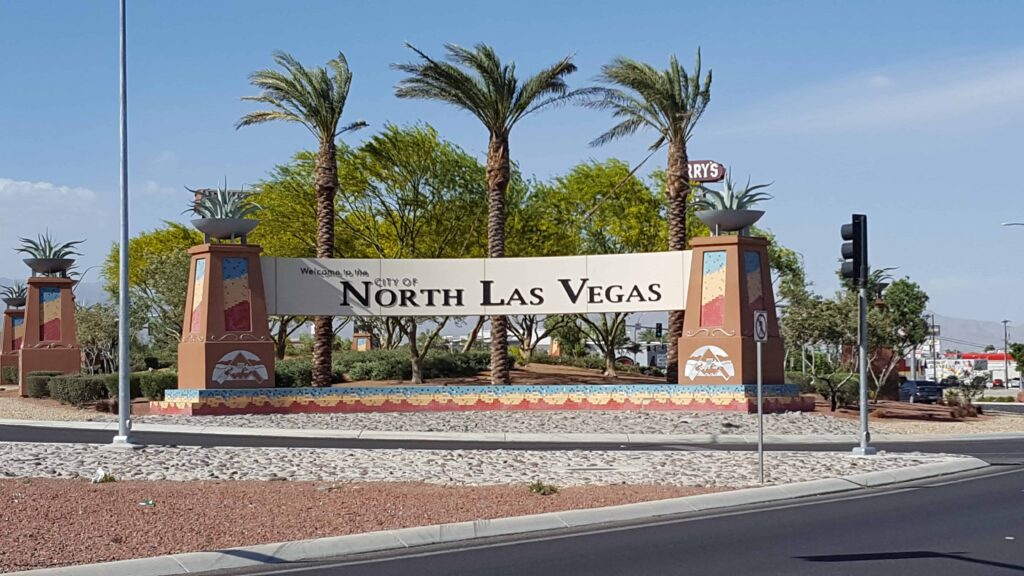
Median around $416,000–$420,000 — the most affordable major market in Clark County. Most active new construction pipeline in the valley. Best value per square foot. Strong option for first-time buyers using FHA or down payment assistance.
Key insight: North Las Vegas is where the numbers make the most sense for first-time buyers right now. Lower prices, new construction, and the most builder incentives in the valley.
New Construction: A Real Option in 2026
One of the things that makes the Las Vegas market unique nationally is the volume of active new construction. Builders are actively competing for buyers in 2026, which means real incentives are on the table.
What kind of incentives? Rate buydowns (where the builder temporarily reduces your interest rate), closing cost credits, and free upgrades are all common right now. On a $400,000 home, a 2-1 buydown can save you $200–$400/month in the first two years. That’s real money.
The caveat: always bring your own agent to a new construction purchase. The builder’s sales agent represents the builder, not you. Having your own agent costs you nothing and protects your interests.
What California Buyers Are Doing — and What It Means for You
A significant portion of Las Vegas buyers in 2026 are coming from California. They’re bringing equity from California home sales, often paying cash or making large down payments, and competing with local buyers in the entry-level and mid-range segments.
This is relevant for first-time buyers because it means competition hasn’t disappeared — it’s just shifted. Well-priced homes in desirable areas still move. The advantage you have over California buyers is local knowledge, the right loan programs, and an agent who knows the market.
The Honest Assessment
Here’s what I’d tell a friend who asked me straight-up about the Las Vegas market in 2026:
It’s a buyer’s market relative to recent years. Prices are off their peaks, inventory is up, and sellers are negotiating. That’s good. Rates are still elevated, which affects affordability. That’s real. But the window won’t stay open indefinitely — when rates drop, buyer demand will increase and prices will follow.
The buyers who take advantage of this window are going to look smart in 5 years. The ones who waited for perfect conditions are going to wish they hadn’t.