

Every year you renew a lease in Las Vegas, the number on it goes up. Your mortgage payment, if you locked one in with a fixed rate, doesn’t. That one difference is the whole argument — everything else is detail.
I’m not going to tell you renting is a mistake. For a lot of people, right now, it’s the correct move. But there’s a specific point where the math flips, and most renters never actually run the numbers to find out where that point is for them. Let’s fix that.
What you’re actually comparing
Renters tend to compare their current rent to a mortgage payment and stop there. That’s an incomplete comparison. The real one has three parts:
- Your rent today vs. your rent in 5 years. Las Vegas rent growth has cooled from the spikes of a few years ago, but it hasn’t gone negative — it moves up most years. A mortgage payment on a fixed-rate loan is the same number in year 5 as it is in month 1.
- What you’re building vs. what you’re not. Rent pays down your landlord’s mortgage. A house payment pays down yours. Even in a flat market, that principal is accumulating as equity you’ll get back.
- The one-time cost of getting in. This is the part that scares renters off, and it’s also the part that’s changed the most. Down payment assistance and low-down-payment loan programs have made the “getting in” number much smaller than most renters assume.
Free 60-second quiz
See what you’d actually pay to own vs. what you’re paying to rent — no email required to start.
Where the Las Vegas market sits right now
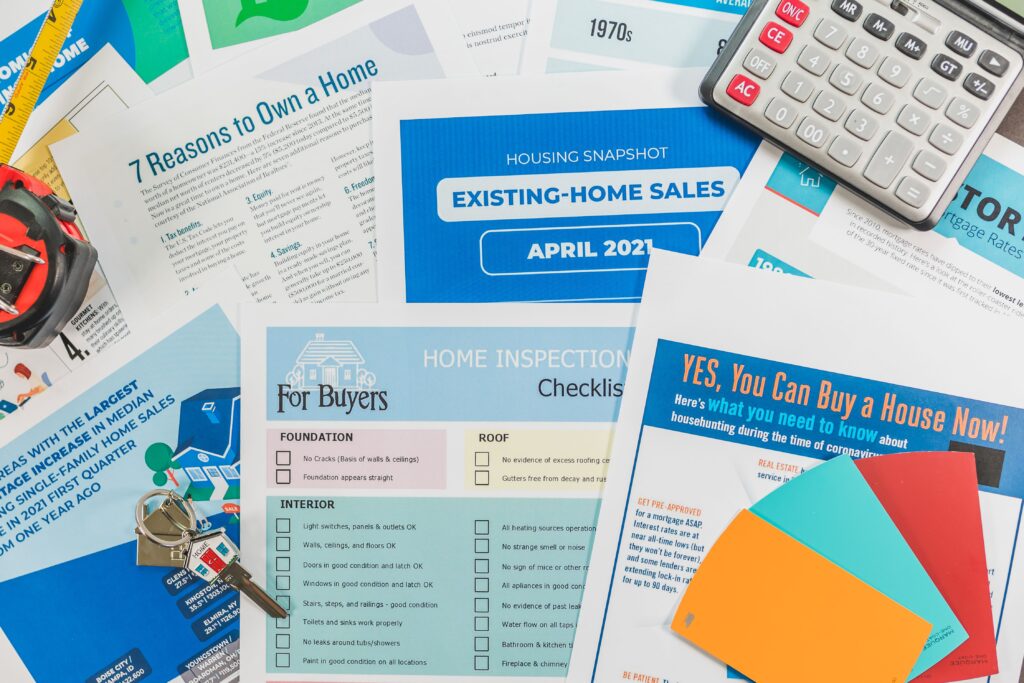
As of mid-2026, the valley’s median home price is sitting in the high $400,000s, with mortgage rates in the mid-6% range. That’s not the ultra-low-rate environment of a few years ago, and I’m not going to pretend it is. But it’s also not the number that matters most to you — what matters is your monthly payment, your specific loan program, and whether you qualify for assistance that lowers your cash-to-close. Those three things are personal to you, not to “the market.”
This is exactly why I built the affordability quiz instead of just publishing a market average and telling everyone to go buy. A market median tells you almost nothing about what you can afford with your income, your credit, and your down payment situation.
The break-even question, in plain terms
Here’s the version I actually walk clients through: if you plan to stay in the Las Vegas area for at least 3-4 more years, and your current rent is within a few hundred dollars of what a mortgage payment on a starter home would run, renting is very likely costing you more than buying would — you’re just paying that cost in the form of equity you’ll never see, instead of a bill you can point to.
If you’re planning to relocate out of state in the next year or two, or your credit and savings genuinely aren’t ready yet, renting is the right call for now — and I’d rather tell you that honestly than push you into a purchase before you’re ready. That’s also fixable, and it’s the subject of the next post in this series.
What I’d do in your position

Run your specific numbers before you decide anything. Not a national rent-vs-buy calculator with generic assumptions — your actual rent, your actual credit range, your actual timeline. That’s what the quiz on this site does in about a minute, and it doesn’t require an email to see your result.
If the number surprises you, good — that’s usually the point where people realize they’ve been renting longer than they needed to. If it doesn’t surprise you, at least now you know for certain instead of guessing.
Ready to see where you actually stand?
Two minutes with the quiz gives you a real number. A free call with me gives you a real plan — no pressure, no obligation, just an honest read on your situation.